


Been Love Memory -Love Counter
4.6693.00 Reviews
App Specs
- Version
- 25.12.19.01
- Updated On
- License
- Free
- Downloads
- 10,000,000+
- Developer
- Been Love Memory Team
- Categories
- Lifestyle
- Platform
- Android, iOS
Screenshots
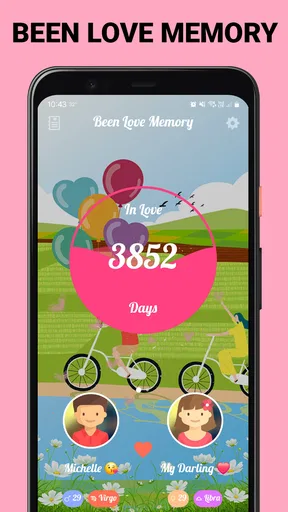
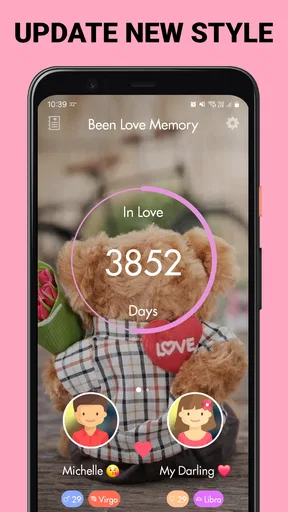
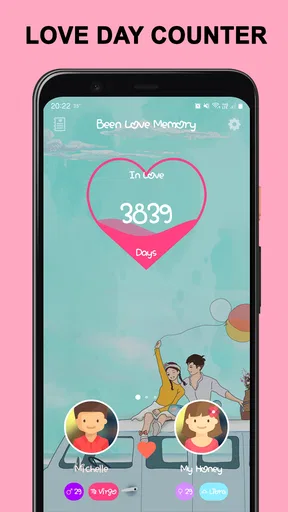
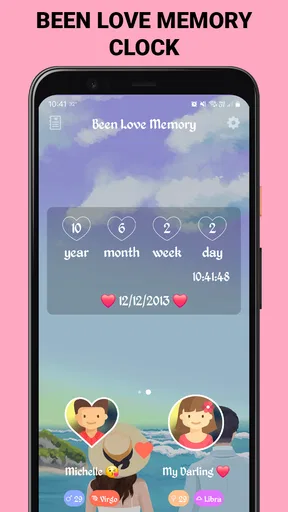
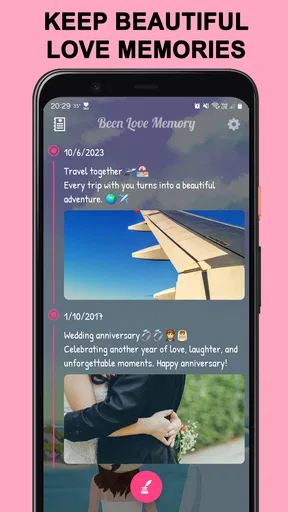
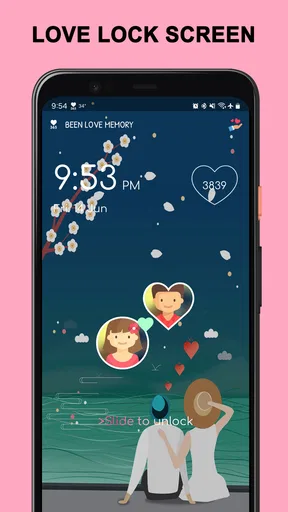
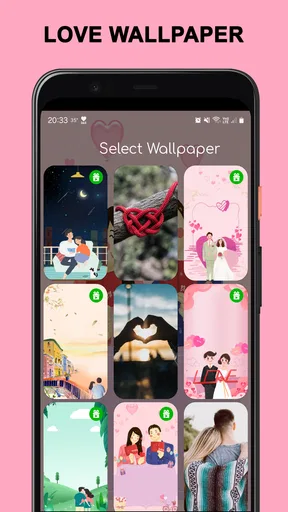
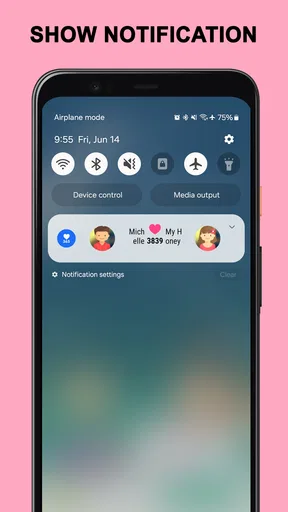
 Analysis by AppCompare
I tend to enjoy apps that turn an ordinary routine into something a little more personal, and Been Love Memory - Love Counter fits that idea neatly. It is a lifestyle app for couples who want to keep track of how long they have been together, then look back on that shared timeline whenever they feel like it. The basic concept is simple, but the value depends on whether you actually enjoy marking relationship milestones digitally rather than relying on memory, a calendar, or a social platform.
After spending time with it, I see it less as a full relationship planner and more as a focused keepsake. It gives a couple one place to anchor their relationship around an important starting date. That makes it appealing for anniversaries, monthly milestones, or those small moments when one partner asks, “How long has it been?” It is free to download, rated for Everyone, and developed by Been Love Memory Team. The app has reached over 10 million installs and holds a 4.6 average from around 463 thousand ratings, which suggests that the straightforward idea connects with a large audience.
What to consider before choosing a love counter
The first question I would ask is whether you want a dedicated counter or a wider relationship app. If all you need is an easy way to see the time since you and your partner started dating, a focused tool is often more pleasant than a general calendar. You do not have to build a reminder system from scratch or search through old messages to remember the date. The app’s purpose is immediately understandable, and that clarity is one of its strongest qualities.
The second decision is how much emotional detail you expect. A counter can be meaningful, but it is not the same thing as a private journal, a shared photo archive, or a serious anniversary organizer. I would choose this app for a visible, lightweight reminder of a relationship. I would look elsewhere if I wanted extensive notes, detailed event planning, or a large collection of shared memories in one place.
It also helps to decide whether you prefer a tool that stays in the background or one that encourages regular interaction. Some people want a relationship app to send frequent prompts and suggest activities. I found the appeal here to be quieter: open it when you want to check the elapsed time or revisit the feeling behind the date. That makes it suitable for couples who dislike noisy notifications, although it may feel too limited for anyone looking for a more active companion.
Setting the starting point carefully
The most important part of using a relationship counter is entering the right date. It sounds obvious, but couples often remember different milestones: the first message, the first meeting, the first official date, or the day they decided to become exclusive. Before settling on a date, I recommend agreeing on what the counter represents. That small conversation prevents the app from becoming a source of confusion later.
This is also a useful way to handle relationships that have an unusual timeline. If you knew each other for a long time before dating, the “correct” date depends on what you want to celebrate. The app works best when the chosen date has personal meaning rather than being treated as a supposedly objective answer. Once that decision is made, the counter becomes a simple shared reference instead of an argument about calendar details.
Worth Reading Before You Choose

EA SPORTS FC Mobile 26 Is a Bigger Football Game, but It Takes Time

Flipboard Shows What News Apps Must Do Beyond the Feed

Switching to Android Auto Means Rethinking Your Driving Routine

Google Calendar Makes a Crowded Week Easier to Manage

Ludo King Makes the Most of the Minutes Between Plans

Baby Panda World Brings Quick Play to Modern Phones, but Its Game Library Feels Busy
For couples who have recently started dating, the app can make early milestones feel visible without requiring a large celebration. For long-term couples, it can offer a quick reminder of the distance already covered. I especially like the idea of using it before planning an anniversary message: checking the counter can help turn a vague “we have been together for years” into a more personal reflection.
Where the focused design works well
The biggest strength is its low learning curve. A dedicated love counter does not ask you to understand a complicated system before it becomes useful. The central purpose is clear, so it can suit someone who is not interested in organizing an entire relationship digitally. That simplicity is also why I can imagine recommending it to a friend who wants something sweet and practical rather than a feature-heavy app.
It is particularly useful in everyday situations where you want a fast answer. Imagine one partner is preparing a small surprise after work and wants to check the relationship milestone without scrolling through a calendar. Or picture a couple traveling and taking a photo together on a meaningful day; the counter can provide a quick reference for the caption or the message they send to each other. These are small uses, but they are exactly where a specialized app earns its place.
Another advantage is that the counter can support shared rituals. You might check it at the start of each month, use it when writing a card, or open it during a quiet evening to remember how the relationship began. The app does not need to create the emotion itself. Its job is to make the date easy to find, leaving the couple to decide what the number means.
The app is also approachable for a broad audience. Its Everyone content rating makes it suitable as a general lifestyle download, and the minimum operating-system requirement of Android 7.0 allows it to work on many older Android devices. That matters if one partner uses a newer phone while the other prefers an older handset. I would still check compatibility on the particular device before installing, especially if it has been kept for many years.
Small habits that make it more useful
One practical habit is to treat the app as a starting point for a yearly memory routine. On the relationship anniversary, check the counter together and pair it with one concrete action: revisit a favorite restaurant, write down the best moment from the past year, or save a photo elsewhere for your personal archive. The counter alone is brief, but attaching it to a ritual gives it lasting value.
A second useful approach is to agree on the date before handing the phone to the other person. This avoids the awkward situation where one partner enters the first date they remember and the other expects a different milestone. The app is not the place to settle that history; it is the place to preserve the decision once you have made it together.
A third tip is to avoid treating the displayed time as a test of affection. Couples do not always remember dates in the same way, and a missed milestone does not automatically say anything about the relationship. I think the app works best as a friendly prompt, not as evidence that one person cares more than the other. That distinction keeps a cute tool from becoming an unnecessary source of pressure.
Where other types of apps may fit better
The usual alternative is a calendar. A calendar is better when your main goal is reminders for anniversaries, birthdays, trips, and appointments. It can help you plan an event rather than simply view the relationship timeline. The trade-off is that a calendar feels more practical and less personal. If you want one dedicated space that immediately feels connected to your relationship, a love counter has a warmer focus.
A shared notes app may be a better choice for couples who want to collect messages, plans, gift ideas, and private lists. It can grow with the relationship in a way a counter cannot. However, notes require more organization, and the date itself may become buried among unrelated entries. I would choose shared notes for collaboration and this app for a quick emotional reference.
Photo and journal apps suit people who want a detailed history. They can preserve the story behind a milestone rather than only the elapsed time. If you often look back through pictures and write reflections, a journal will probably give you more depth. The counter is better for the couple who wants a small, dedicated reminder without committing to regular writing.
Some relationship apps focus on prompts, conversations, or activities. Those can be useful when both partners want help starting discussions or making time for each other. They may also feel like work if you only wanted a simple counter. I would not move to that category unless you are actively looking for guidance, prompts, or structured interaction rather than a date-based keepsake.
Limitations worth knowing before you switch
The focused design that makes the app approachable can also make it feel narrow. If your relationship needs several kinds of reminders, you may end up keeping a calendar or notes app beside it. That is not necessarily a flaw, but it does mean this download is unlikely to replace every tool you already use. I would see it as a companion for a specific purpose, not as a complete relationship-management system.
There is also a risk of novelty wearing off. A counter can be exciting when first installed, then become something you rarely open. To avoid that, connect it to a real habit, such as checking it before an anniversary plan or using it when writing a monthly message. Without that personal routine, the app may remain technically useful but emotionally forgettable.
Another consideration is the cost model. The app is free, but optional in-app purchases range from $0.99 to $2.49 per item. I appreciate being able to try the central idea without paying upfront, but I would decide first whether the basic experience already meets your needs. If it does, there is no reason to buy anything simply because the option is available. If you value extra personalization, consider the purchase as a small add-on rather than part of the essential function.
The app’s long presence also matters in a practical way. It was released on May 7, 2016, and the current version is 25.12.19.01. That gives it the feel of an established product rather than a brand-new experiment. At the same time, anyone who dislikes older app concepts or wants a modern all-in-one relationship workspace may find the focused format less exciting than newer alternatives.
Who should use it, and who should skip it
I would recommend it to couples who enjoy simple digital mementos, want a dedicated relationship counter, or regularly celebrate small milestones. It can also suit someone looking for a thoughtful but uncomplicated gift idea: install it together, choose the meaningful date, and turn the setup into a shared moment. The free entry point makes that experiment easy, and the Everyone rating keeps it broadly approachable.
I would be more cautious about recommending it to people who need strong planning tools. If you want automatic organization for dinners, travel, gifts, and multiple anniversaries, a calendar or shared planning app will probably be more efficient. Likewise, if you want a private diary with long entries and photos, a journal will offer more room for your memories.
It may also be the wrong choice for someone who finds relationship counters uncomfortable. Not everybody wants to measure a relationship in days or months, and that is perfectly reasonable. A shared photo folder, a handwritten note, or a normal calendar can preserve the same sentiment in a less numerical way. The app works when the counter feels affectionate, not when it feels like an obligation.
My recommendation after weighing the trade-offs
For me, Been Love Memory - Love Counter succeeds because it does not pretend to be more complicated than it is. It gives couples a clear way to keep an important date visible, and that can be surprisingly nice in a busy routine. I like it as a small emotional utility: quick to understand, easy to revisit, and flexible enough to support personal traditions.
I would install it if I wanted a dedicated reminder of when a relationship began and did not need a full planning or journaling system. I would skip it if I already had a well-organized calendar and felt no need for a separate relationship-focused space. The decision comes down less to the number of features than to the kind of reminder you want in your life.
The developer, Been Love Memory Team, has built an app with a clear audience and a durable idea. Its 4.6 average and more than 10 million installs show that many people find this kind of simple relationship tool worthwhile, but popularity should not hide the central trade-off: it remains a focused counter. Try the free version first, choose the starting date thoughtfully, and give it a real habit or ritual. If that small reminder makes you smile, it is doing exactly what it needs to do.
Pros
- Simple interface makes relationship milestones easy to record.
- Tracks multiple types of memories beyond just dating duration.
- Customizable events help personalize the relationship timeline.
- Useful reminders can help you remember important anniversaries.
- Lightweight app that is quick to open and use.
Cons
- Some features may require payment or contain advertising.
- Limited value for users who prefer a more private diary app.
- Date calculations may be confusing for unusual relationship timelines.
- Customization options can feel basic compared with full diary apps.
- Requires careful manual updates to keep memories accurate.
FAQs for Been Love Memory -Love Counter
What is Been Love Memory - Love Counter used for?
Been Love Memory - Love Counter is designed for couples who want to keep track of their relationship and celebrate important milestones. After entering a relationship date, the app can display how long you have been together and help you remember meaningful moments. It works mainly as a romantic counter and memory tool rather than a messaging or social networking platform.
How do I set up Been Love Memory - Love Counter?
Getting started is generally straightforward: install the app, enter the date your relationship began, and add any requested couple details. The counter then calculates the time you have spent together and presents it in a visual format. Before relying on the result, check the date and settings carefully, especially if you want the app to recognize anniversaries or other personal milestones correctly.
Does Been Love Memory - Love Counter require an internet connection?
The core relationship counter should usually work without a constant internet connection because the calculation is based on information stored on the device. However, some features may depend on connectivity, including advertisements, optional online content, cloud-related functions, or downloading additional themes. Availability can also vary between Android and iOS versions, so users should review the permissions and store description before installing.
Is Been Love Memory - Love Counter free to download?
The app may be available to download at no initial cost, but free versions can include advertising, optional purchases, or limitations on certain customization features. The exact payment model may differ depending on the platform and region. Before confirming installation, check the Google Play Store or Apple App Store listing for current pricing, subscriptions, in-app purchases, and whether any premium tools are required.
Is my relationship information safe in Been Love Memory - Love Counter?
The app may only need basic information such as a relationship date, names, photos, or other details you choose to enter, but users should still review its privacy policy and requested permissions. Avoid adding sensitive personal data unless it is necessary. It is also wise to check whether backups, advertising services, or third-party integrations may process information stored inside the application.


